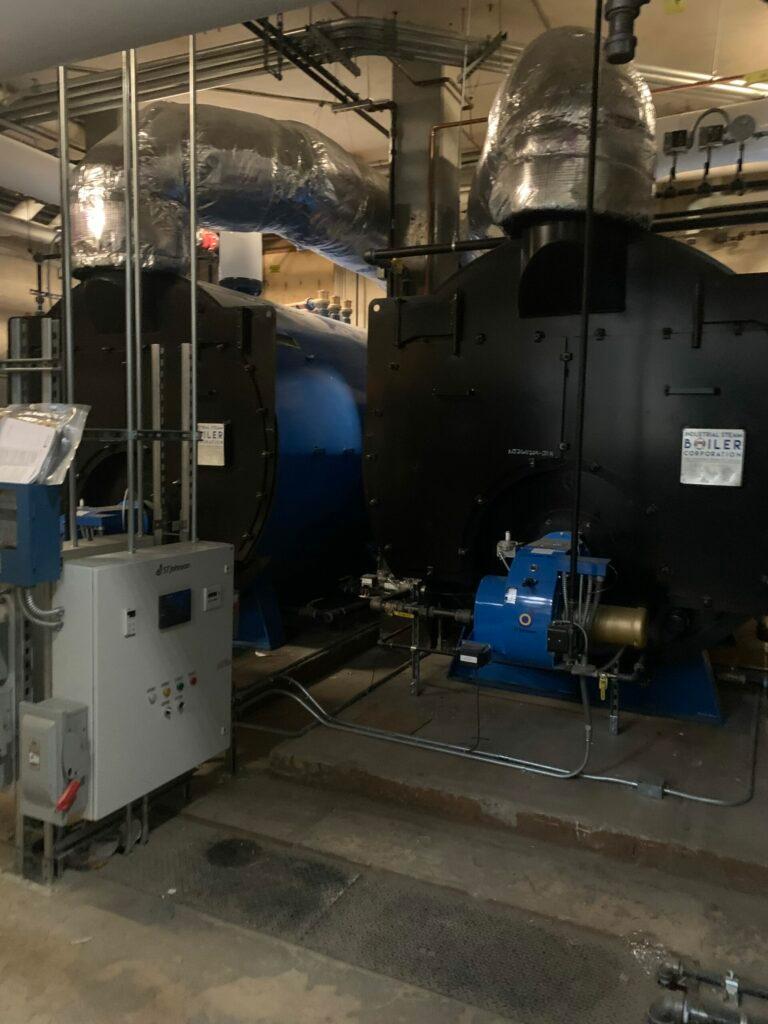
Remote equipment monitoring and predictive analytics
Find the patterns a service visit can miss.
For facilities teams and service professionals facing recurring equipment problems, ThreadIO connects operating data over time—so you can investigate with evidence, plan the right repair, and spend less time starting over.
It works during the visit. Then the issue returns.
A boiler cycles excessively overnight. Hot-water demand triggers unexpected heating. A pump appears normal during an inspection, but its operating pattern changes under load. Intermittent problems are difficult to explain from a single reading or one service call.
ThreadIO adds the missing history. Remote equipment monitoring records available operating signals, while analytics help surface patterns worth investigating. Your team gets a more informed starting point for troubleshooting instead of another isolated snapshot.
For facilities
See equipment conditions across your monitored assets, share useful history with your service provider, and prioritize recurring issues before they consume more staff time. Make decisions with a clearer view of what is happening between visits.
For service professionals
Review operating behavior before arriving on site. Compare trends, investigate repeat complaints, and bring context to the first visit. Better evidence can help reduce diagnostic-only trips and focus attention on the underlying cause.
How ThreadIO works
Connect. Monitor. Understand. Act.
Step 1: Connect equipment
Start with the signals that matter.
We assess the boilers, controls, sensors, and system inputs available at your site. ThreadIO Edge connects supported operating signals to the cloud through a scoped wired or cellular connection. Equipment compatibility and network requirements are reviewed before deployment.
Step 2: Monitor remotely
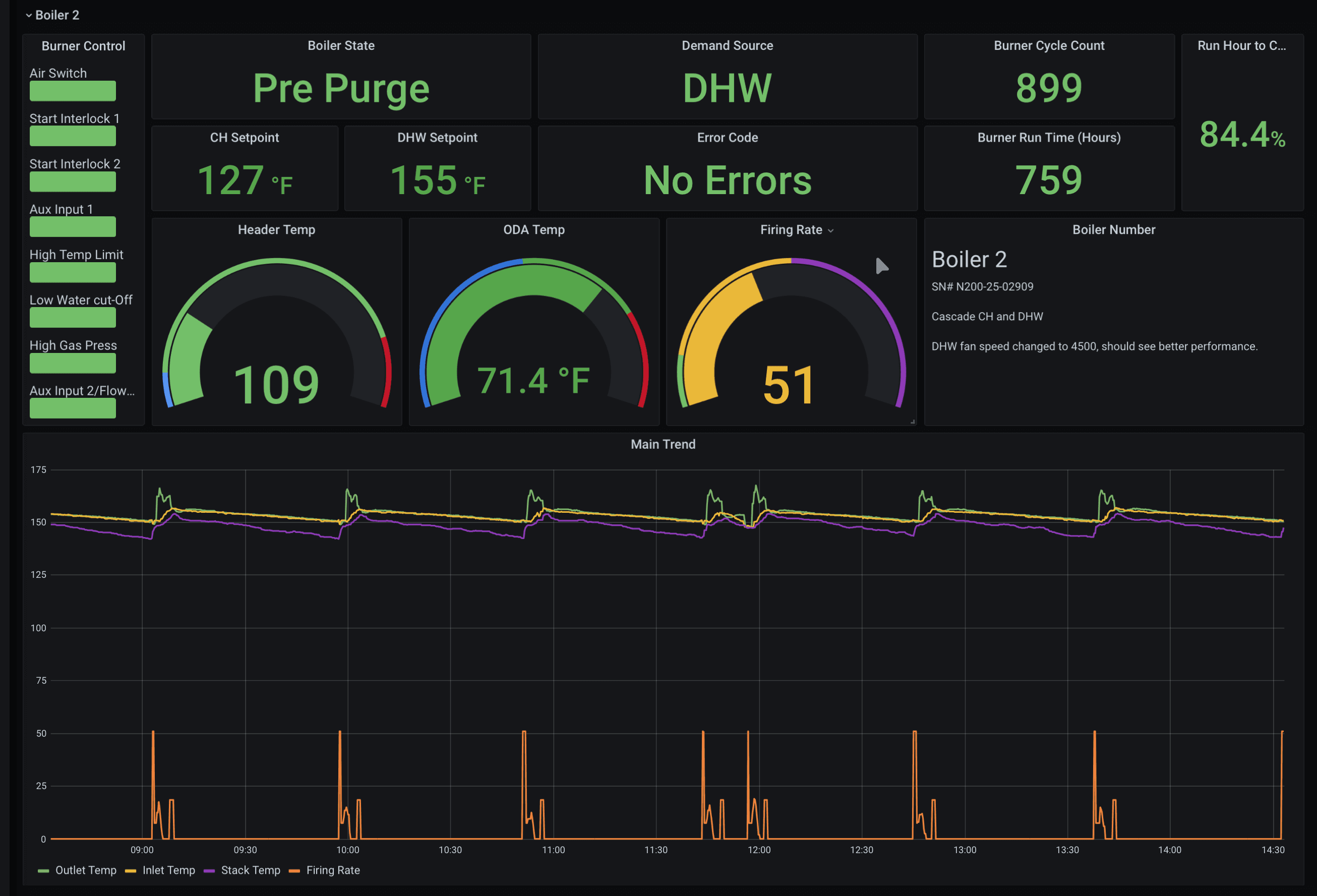
An easy-to-use dashboard.
Review equipment status, temperatures, run time, cycles, and historical trends in one place. Owners and service providers can use the same operating context to understand what changed and when.
See monitored equipment at a glance
Review current conditions and operating history
Follow trends without being on site
Step 3: Find patterns
Look beyond a single alarm.
Historical analysis and performance models help identify abnormal behavior, such as repeated cycling, long run times, or unexpected temperature relationships. Those patterns guide investigation; they do not replace a qualified technician’s diagnosis.
Step 4: Coordinate action
Give the service team a head start.
Bring findings into troubleshooting, maintenance planning, and response coordination. Inspect the suspected cause, complete the appropriate repair, then use operating history to review the system’s behavior afterward.
Explore a dashboard example.Status, temperatures, run time, cycles, and historical trends in one place, shared by owners and service providers.Select the image to enlarge.When ThreadIO makes sense
Four signs your team needs better visibility.
Local expertise is hard to find.
There is a current and continuing shortage of knowledgeable local maintenance staff.
Your BMS sees it but cannot fix it.
A building management system monitors boilers and related equipment, but it does not fix the problem.
Your service provider is left out.
Information stays disconnected between the service provider and the building management system.
Problems stay hidden too long.
Remote monitoring provides the performance data to minimize downtime, maximize performance, and identify hidden issues.
Fewer diagnostic calls
Cost savings from the potential to eliminate diagnostic service calls.
Peace of mind
Short-term and long-term confidence from minimizing unplanned downtime.
Lower overall cost
A lower overall cost than hiring additional employees to monitor critical equipment around the clock.
Equipment ThreadIO monitors
Built for what is in your plant room.
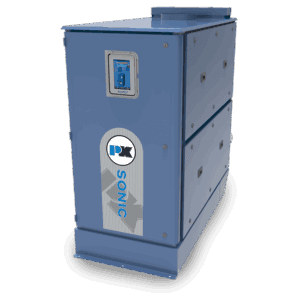
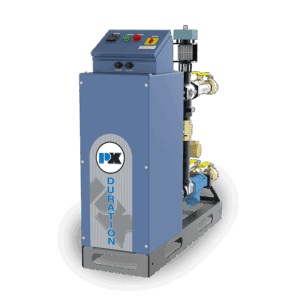
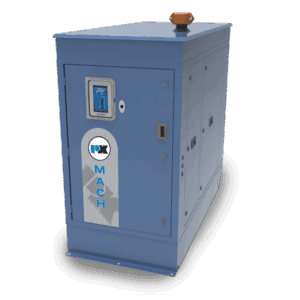
ThreadIO connects the boilers, hot-water systems, and related equipment that keep essential facilities running, along with their controls and sensors.
Commercial boilers
State, temperatures, operating cycles, and run hours.
Domestic hot-water systems
Long hot-water runs, repeated cycling, and unwanted heat transfer.
Condensing boilers
Firing rate, setpoints, demand source, and error codes.
Steam boilers
Boiler draft, run time, and add-on sensor trends.
Heat exchangers
Temperature relationships and heat transfer over time.
Control valves
System pressure against valve ratings, and signs of bypass.
Gas boosters
Operating status and pressure through add-on sensors.
Heat pumps
Operating status, run time, and cycling.
Example equipment shown. Available signals and compatibility are confirmed during your site evaluation.
Built around essential facilities
Different operations. The same need for continuity.
K-12 schools
Catch boiler and heating problems earlier, even with a small maintenance team or none on site. Give your staff and service provider the operating history to act before a cold building forces a closure.
Investigate recurring heating and hot-water problems with resident comfort and service continuity in mind. Give staff and service providers a shared history of the conditions behind repeat complaints.
Universities
Support facilities teams responsible for classrooms, research spaces, and student housing. Compare monitored equipment behavior and prioritize investigations across campus buildings.
Transit facilities
Build visibility into monitored plant equipment serving stations, depots, and support facilities. Use operating history to inform maintenance work and reduce the uncertainty around intermittent problems.
Sports arenas and venues
Understand how monitored equipment responds to changing operating schedules and event-day demand. Plan investigations around the needs of guests, staff, and venue operations.
Shaker Place: a practical example
Three hidden problems. A clearer path to investigation.
At Shaker Place, the supplied project overview describes repeated boiler cycling, excess heat, and a pressure mismatch. Domestic-hot-water runs lasted two to three days in July, with three to four boiler cycles per hot-water call. Further investigation identified piping and pressure conditions affecting the system.
The value was in connecting the operating pattern to a focused investigation. Corrective opportunities included addressing piping, pressure, and unnecessary heating—not simply resetting equipment again.
Earlier insight can help teams avoid repeat diagnostic work, limit unnecessary operation, and address issues before damage or disruption escalates. The financial value depends on your equipment, the problem, and the action taken.
Compare device licensing with potential repair and downtime exposure using our editable scenarios. Model a small fix, a major repair, or a full replacement with costs appropriate to your operation.
Signals discussed in the ThreadIO project overview; availability is confirmed during site evaluation.
Equipment or input
Useful operating context
What to confirm
Boilers and controls
State, temperatures, operating cycles, and run hours
Controller model, accessible signals, and connection requirements
Additional sensors
System conditions and historical trends
Measurement points, sensor requirements, and installation scope
Site connectivity
Equipment-to-cloud data connection
Wired or cellular availability and your IT/security requirements
Agree on the response before connecting.
Facility owner or operator
Identify priority assets and recurring symptoms, coordinate site and network access, and nominate the people responsible for operational decisions.
Service professional
Review the operating history, inspect suspected causes, and carry out appropriately authorized maintenance or repairs.
ThreadIO deployment scope
Define the monitoring connection, available signals, data verification, and agreed insight or response workflow. Exact duties and service commitments belong in the project scope.
What getting started looks like.
Review your recurring issues. Identify affected equipment, symptoms, existing controls, and what previous visits have found.
Evaluate the site. Confirm signals, connection options, network requirements, and the people who need visibility.
Scope and connect. Agree on monitored devices, software tier, hardware, installation, and service responsibilities.
Verify and review. Confirm data flow, review operating history, and establish how findings reach the team responsible for action.
Common questions
Before you connect.
What is ThreadIO?
ThreadIO is a remote equipment monitoring and predictive analytics service for facilities teams and service professionals. It connects boilers, controls, and sensors to the cloud, tracks performance, and surfaces unusual patterns so teams can act earlier.
What equipment can ThreadIO monitor?
ThreadIO monitors plant equipment including commercial, condensing, and steam boilers, domestic hot-water systems, heat exchangers, control valves, gas boosters, and heat pumps, along with their controls and sensors. The site evaluation confirms available inputs, compatibility, and any additional sensors required.
When does remote equipment monitoring make sense?
It fits organizations short on knowledgeable local maintenance staff, teams whose building management system monitors boilers but does not fix the problem, and sites where the service provider cannot see what the building management system sees. Remote monitoring provides performance data to help minimize downtime, maximize performance, and identify hidden issues.
How is this different from a building-management alarm?
An alarm identifies a condition at a point in time. ThreadIO brings remote visibility, historical trends, and analysis into the investigation and service workflow. Existing controls and building-management requirements are reviewed during scoping.
Can it help when repeated service visits have not resolved an issue?
Operating history may reveal behavior that does not occur during a visit. ThreadIO helps teams investigate recurring patterns and relationships between signals. A qualified service professional still needs to evaluate the cause and perform the appropriate work.
Does ThreadIO automatically repair equipment?
No. ThreadIO provides monitoring, insights, and service context. Inspection, repair, and response responsibilities are agreed with your facilities and service teams. Not every failure can be predicted or prevented.
How is monitoring priced?
Monthly software licensing is based on monitored device count and tier. Hardware, installation, commissioning, integrations, and field service are scoped separately. View pricing and estimate your license.
Where does ThreadIO operate?
ThreadIO operates from its New York Office in New York, NY, and serves facilities and service professionals nationwide in the U.S.
Still chasing the same equipment problem?
Tell us what keeps happening. We’ll help scope the visibility your team needs to investigate it.